
Asenware
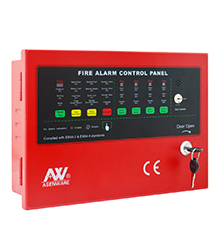
AW-CFP2166-2
2 Zone Fire Alarm Control Panel AW-CFP2166-2
- Conventional Fire Alarm Control Panel
Request quoteDetails
Security technology, supplied, installed and supported.
Life-safety related solution
A detection and warning system that gives early notice of smoke or heat within a building, designed around the layout, occupancy and how the building is used.
Fire spreads quickly and unmonitored premises lose critical minutes before anyone is alerted.
Fire detection is about early warning — it alerts people to a developing fire event, it does not prevent or extinguish one. The design follows the building rather than a standard kit.
The families below make up most installations. Device types, quantities and zoning follow the building, and any regulatory requirements are confirmed with the relevant authority or consultant for the project.
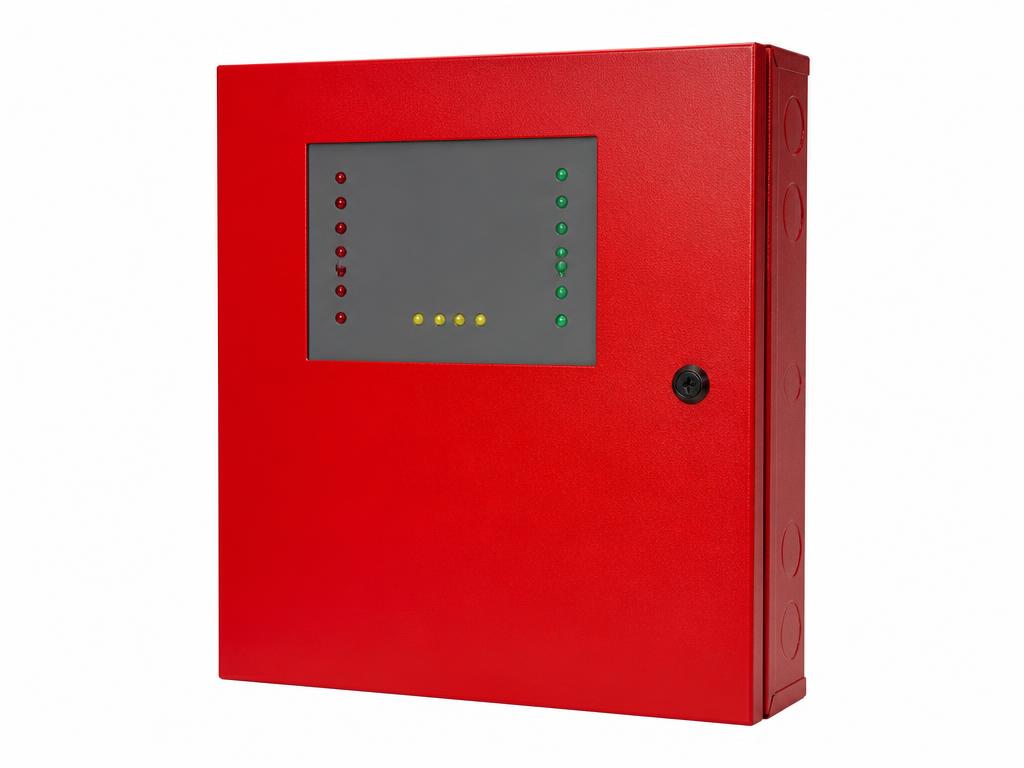
The point where zones are indicated, faults are shown and the system is tested and reset.
Smoke and heat devices selected for each area, since kitchens, stores and offices differ.
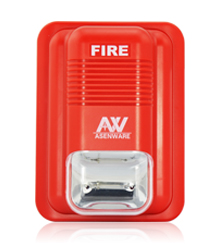
Audible devices positioned so a warning is heard throughout the occupied areas.
Where applicable, call points on exit routes so a person can raise the alarm.
Mains supply with standby provision so the panel continues to operate during an outage.
We do not claim compliance, certification or approval on your behalf. Where a project must satisfy a specific requirement, that requirement is confirmed with the relevant authority or consultant before design is finalised.
Floors, compartments, ceiling heights and what happens in each room shape the whole design.
Smoke detection suits some areas and heat detection others — kitchens, plant rooms and dusty stores are treated differently.
Ceiling type, obstructions, ventilation and airflow all affect where devices can sit usefully.
Zones let responders find the activation quickly instead of searching a whole building.
The panel belongs where staff and responders can reach and read it easily.
Sounder positions are planned so the warning is audible in occupied and back-of-house areas.
Where used, call points sit on exit routes at positions people pass while leaving.
Supply arrangements and standby power keep the panel and devices operating during a mains failure.
Devices must remain reachable for routine testing — access is considered during design, not afterwards.
Any approval, inspection or standard the project must meet is confirmed with the relevant authority or consultant.
Fire alarm panels, detectors, call points and sounders from our catalogue.
Asenware
2 Zone Fire Alarm Control Panel AW-CFP2166-2
Asenware
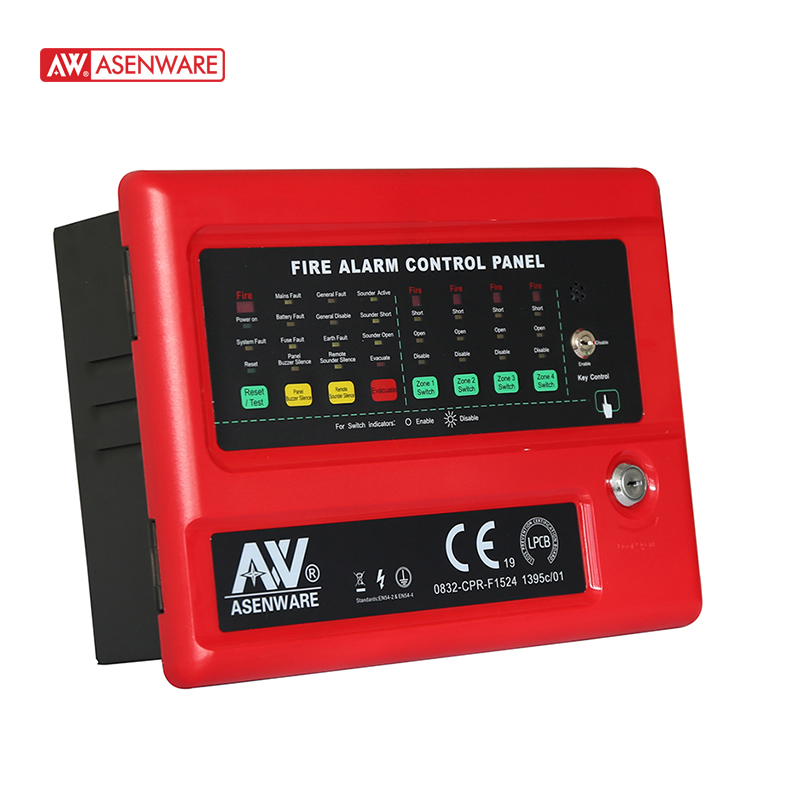
4 Zone Fire Alarm Control Panel AW-CFP2166-4-8
Asenware
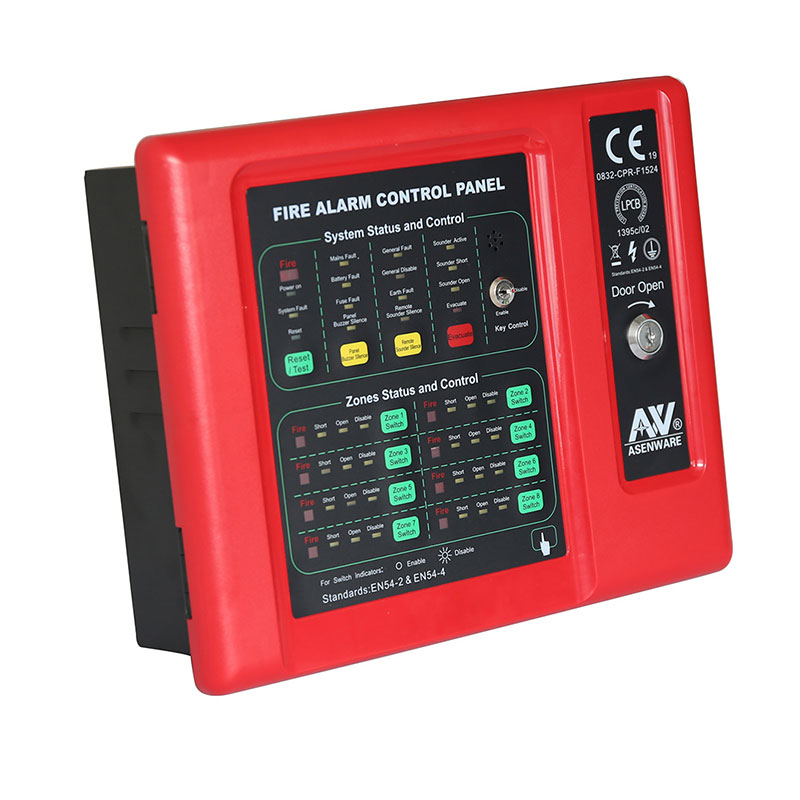
8 Zone Fire alarm control Panel
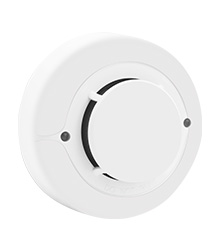
Asenware
LPCB EN54 approve conventional smoke detector AW-CSD381
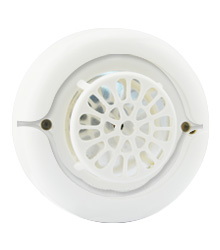
Asenware
Conventional heat detector with LPCB EN54 certification AW-CTD382
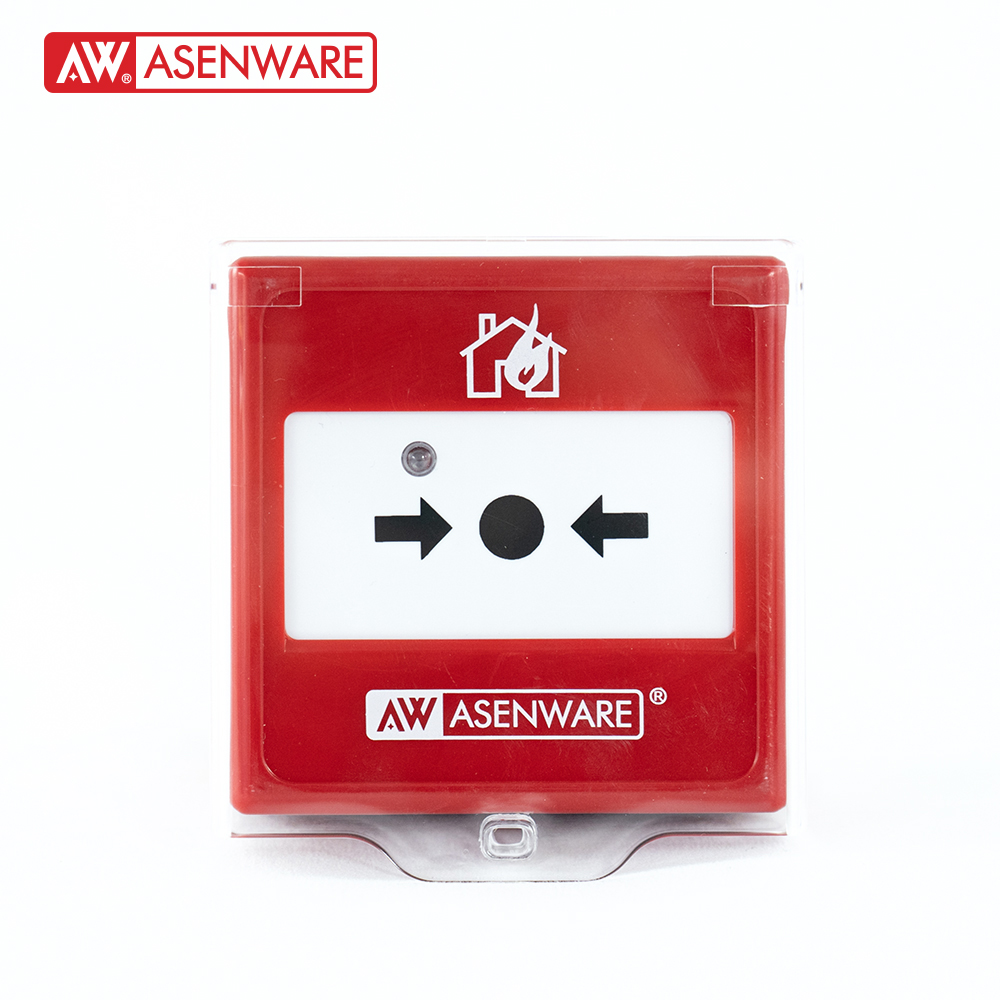
Asenware
Conventional Manual Call Point AW-D135C
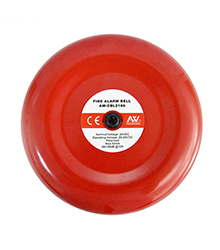
Asenware
Conventional Fire Strobe Sounder AW-CSS2166-2
Next step
Tell us about the building, its floors and how each area is used. We will advise on zoning, detection and installation, and prepare a quotation.