
Detection solution
Intruder Alarm
An alarm system that detects entry into protected areas and makes it known immediately, planned around how the premises are actually used.
What the system is for
Break-ins go unnoticed until morning, and there is no immediate alert to occupants or responders.
An intruder alarm is about noticing entry at the moment it happens. The zones, the detection method and how the system is armed are agreed before equipment is selected.
- Detection at doors, windows and internal movement routes
- An audible warning at the premises when a protected zone is triggered
- Zone indication so the triggered area is identified
- Panic or emergency signalling where the equipment and site call for it
- Arming arrangements that suit occupancy patterns rather than fighting them
Typical premises
- Homes
- Shops
- Offices
- Apartments
What an intruder alarm usually includes
Alarm systems are built from a panel, detection devices and notification. How many of each depends on the layout and how the space is used.
Control panel and keypad
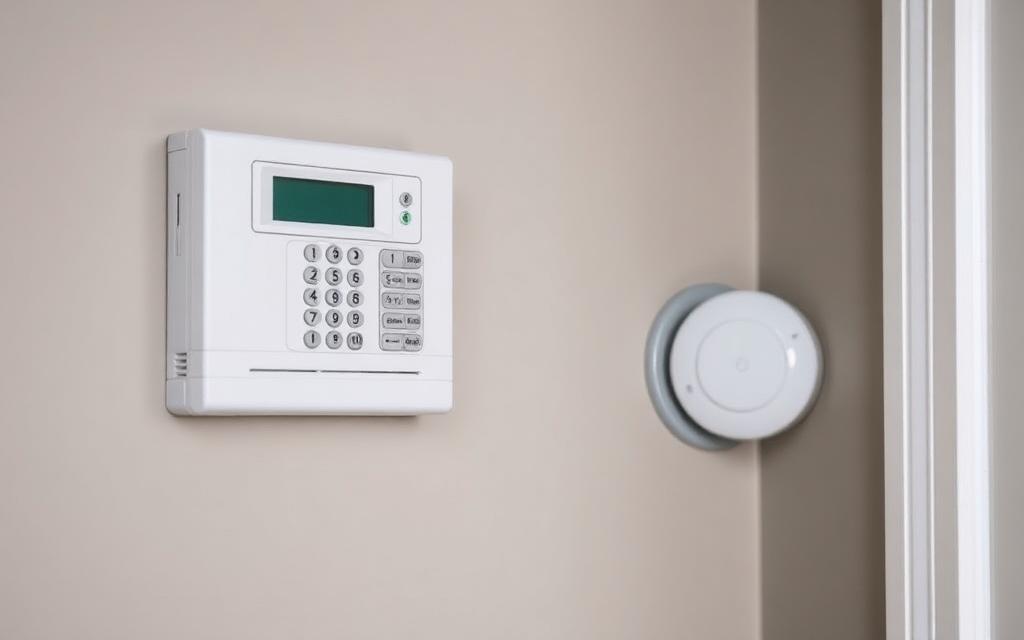
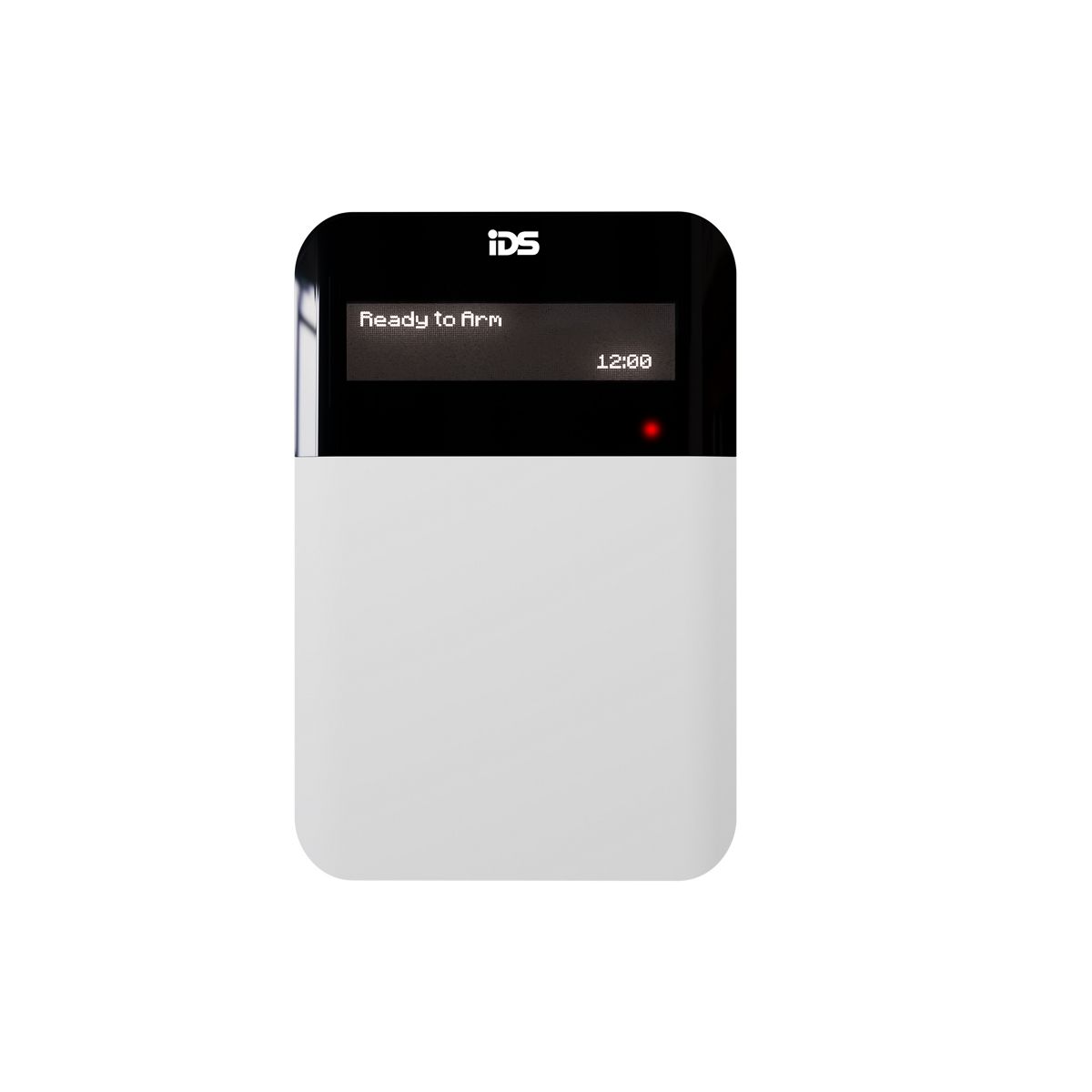
The centre of the system, installed in a protected position with a keypad where people enter.
Motion detection
Internal detectors covering movement routes such as hallways, landings and open areas.
Door and window devices
Contacts and perimeter detection at the openings that matter on your layout.
Sirens and notification
Audible warning devices positioned so an activation is heard where it needs to be.
Power and backup
Standby power so the system keeps working through a mains failure.
Zone counts, notification options and any remote signalling features depend on the panel selected. We confirm what a specific system supports before quoting it.
System design considerations
What is being protected
A home, a shop floor and a stockroom need different detection. Listing the vulnerable areas comes first.
Zoning
Grouping detection into zones makes activations meaningful and allows part of a building to be armed while the rest is in use.
Entry and exit routes
The way people normally come and go decides where detection sits and how arming delays are set.
Detector placement
Heat sources, pets, curtains and glazing all affect where internal detection can sit without false activations.
Arming and disarming
The system has to fit daily routine — who arms it, when, and how a mistake is corrected.
Notification
Where the siren is heard, and who is expected to respond, is agreed rather than assumed.
Panic and emergency signalling
Where the equipment supports it, panic devices can be placed at tills, bedrooms or reception points.
Power and continuity
Backup power and sensible cable routing keep the system working when the supply is not.
Working with other systems
Alarms are often paired with cameras or an electric fence so an activation can be verified.
How a project runs
- 01Discussion of the premises, occupancy and what must be detected
- 02Site visit to plan zones and detector positions
- 03System design and equipment selection
- 04Written quotation
- 05Installation of panel, detection devices and siren
- 06Programming, walk-testing and commissioning
- 07Handover with arming, disarming and fault guidance
- 08Maintenance and fault attendance
Related services
- Security System InstallationProfessional installation of CCTV, access control, fencing, alarms and intercoms.
- Site SurveysOn-site assessment to determine coverage, equipment and cabling routes.
- Configuration & CommissioningSetting systems up correctly so they work the way they should from day one.
- MaintenanceScheduled checks that keep systems recording, detecting and reporting.
- TroubleshootingDiagnosing faults on existing systems, including systems we did not install.
Related Intruder Alarm Products
Alarm panels, keypads, detectors and accessories from our catalogue that are used in intruder alarm installations.
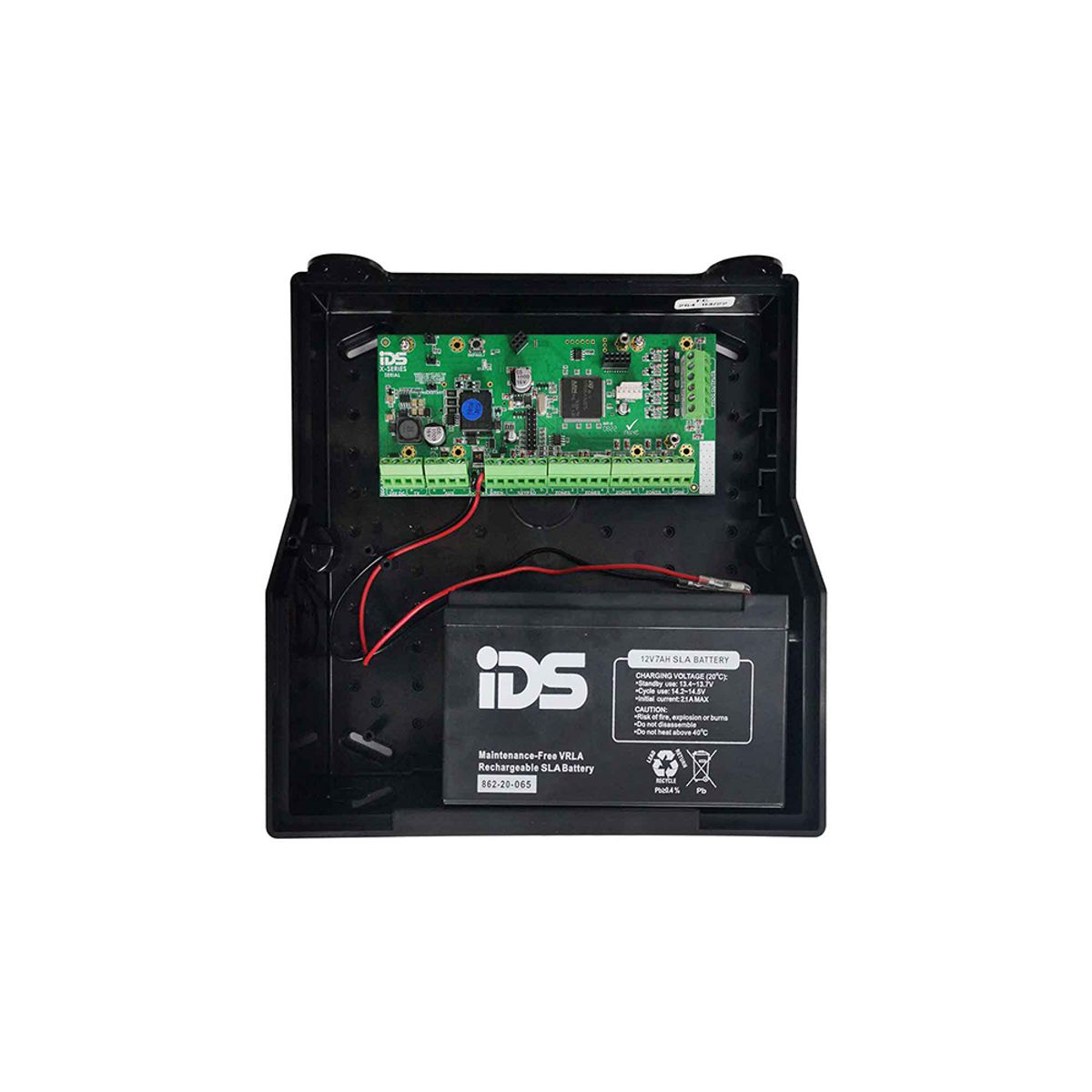
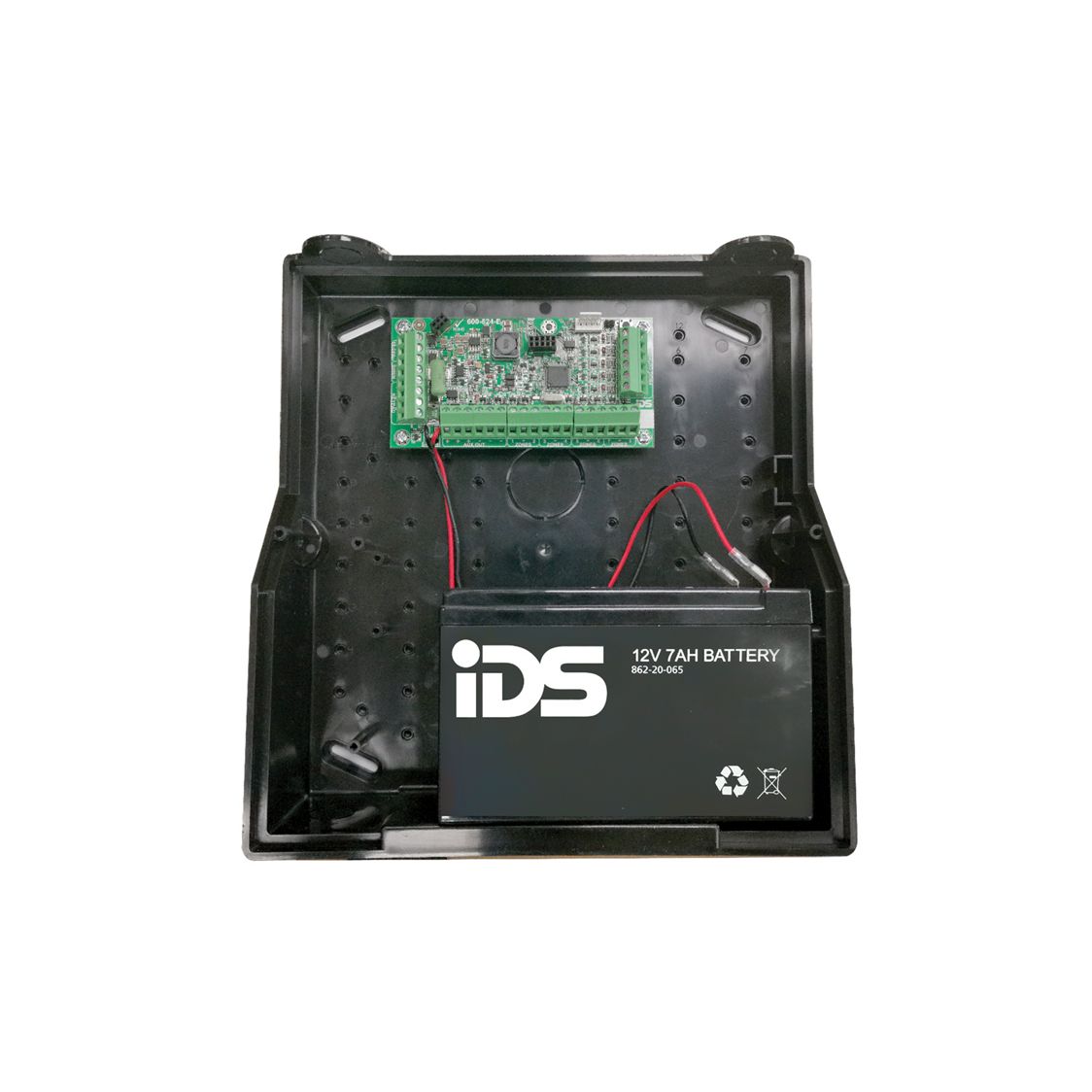
IDS
X64 Serial Control Panel
X64 Control panel 8 Zones expandable to 64 zones
- Alarm Control Panel
Request quoteDetails

IDS
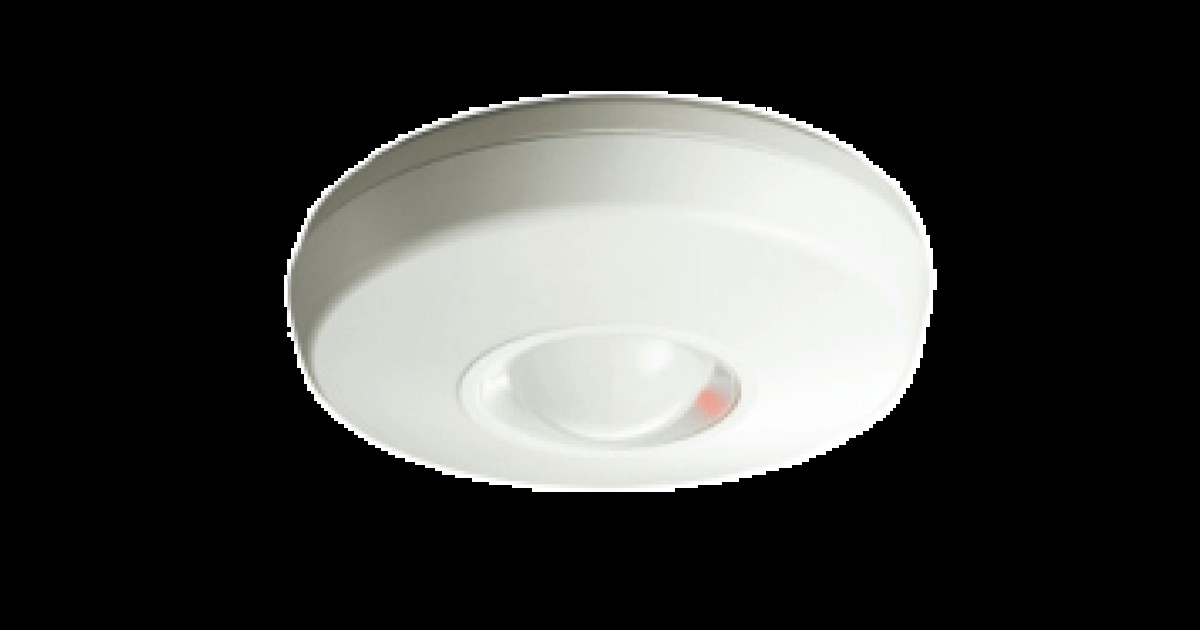
360° Ceiling-Mount PIR Detector
Ceiling mount 360° degree passive infra-red detector
- PIR Detector
Request quoteDetails
IDS
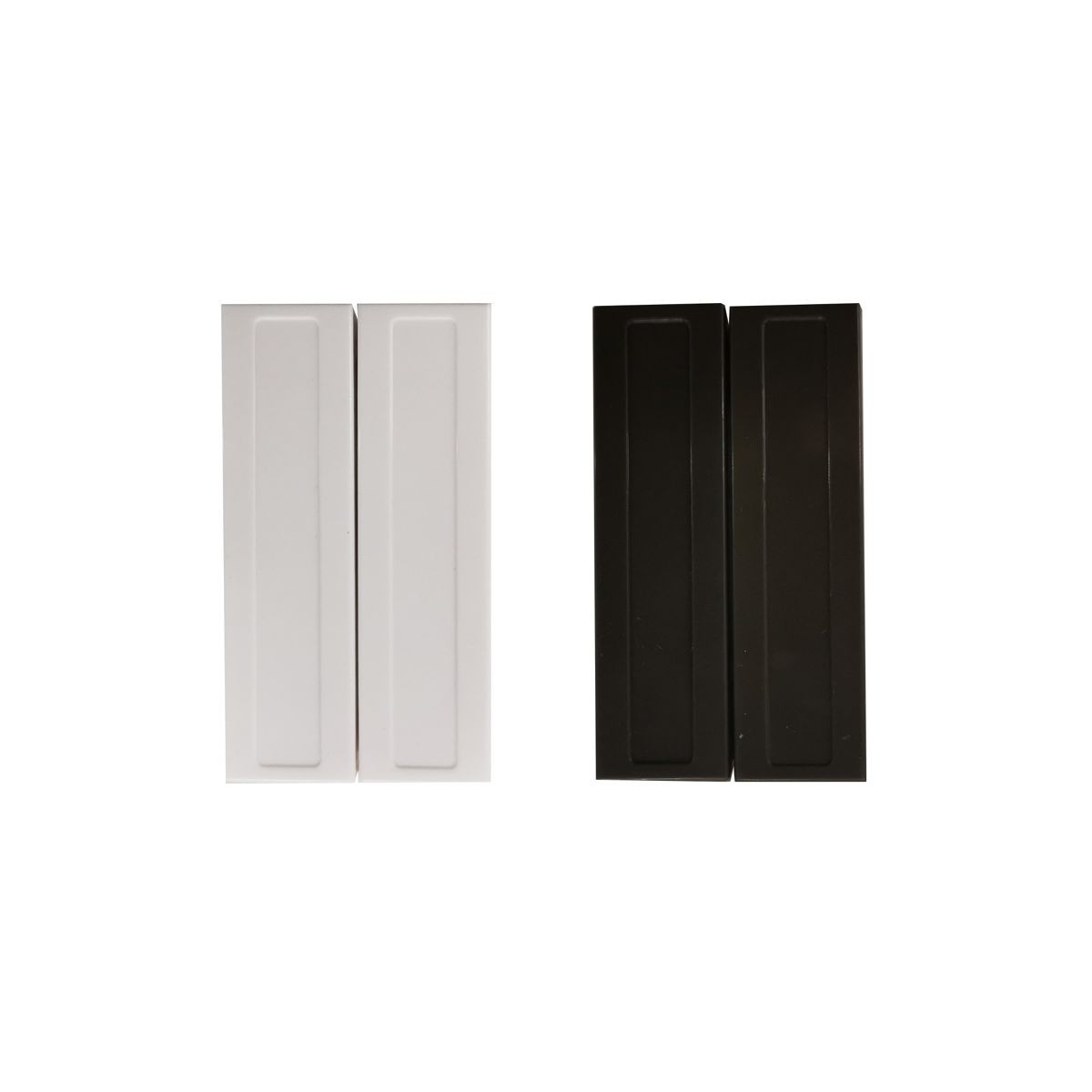
Magnetic Switch — White
862-25-100 / 200 Magnetic switches - white / brown
- Magnetic Contact
Request quoteDetails
IDS
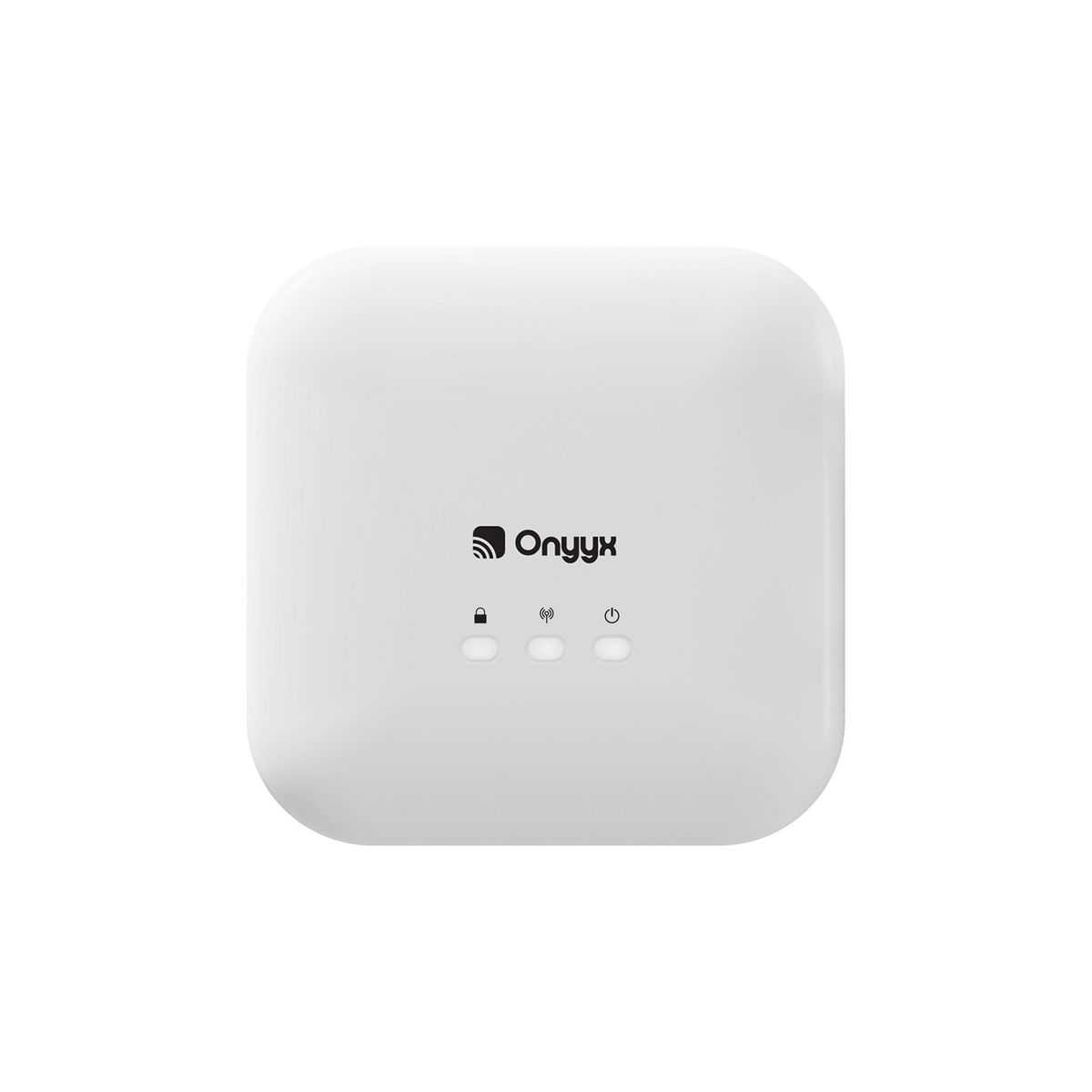
Onyyx Wireless Alarm Kit
ONYYX Wireless solution Hub, 5 button remote, indoor motion sensor, door sensor
- Wireless Alarm Kit
Request quoteDetails
IDS
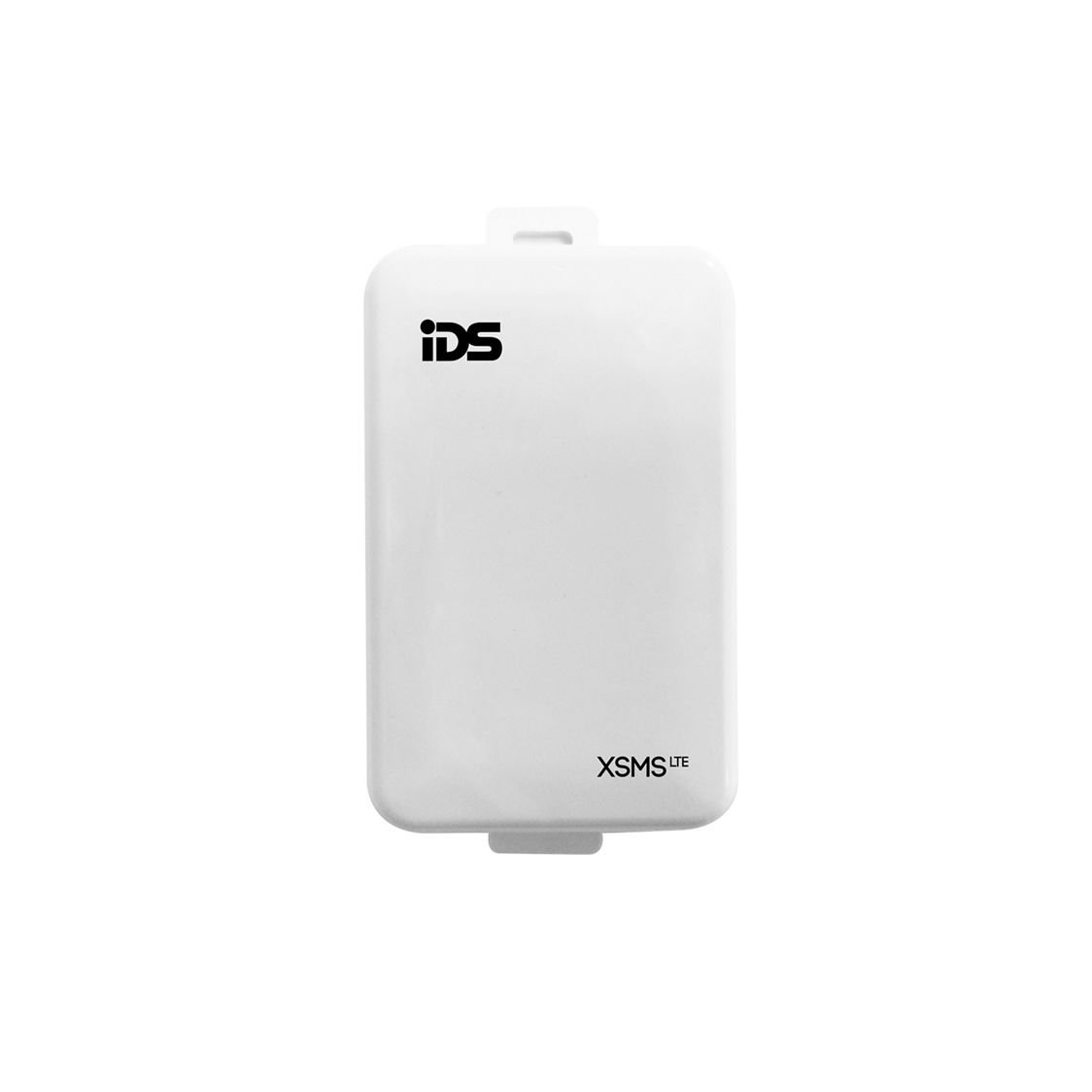
XSeries LTE SMS Module
The XSMS LTE module enables simple end user control of XSeries & 806 control panels from any SMS-enabled device. It is custom-designed by IDS for the XSeries & 806 panel range, so it has only the features you need, enabling simple programming, installation and use.
- Alarm Communicator
Request quoteDetails
Next step
Thinking about an alarm system?
Tell us about the premises and the areas that concern you. We will advise on zoning, detection and installation, and prepare a quotation.